
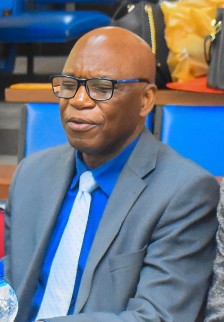
The College of Medicine, University of Ibadan (CoMUI), convened its Academic Staff Assembly on Thursday, 29 October 2026, at the Paul Hendrickse Lecture Theatre, with the Provost, Professor T. O. Ogundiran presenting a comprehensive stewardship report on his administration’s progress, partnerships, and unfinished work under the S7 Agenda. The meeting, attended by all academic staff of the College, also featured lectures on grant writing by Professor A. O. Omigbodun and assessment of publications for promotion by Professor A. R. Alada, underscoring a renewed push for research funding and academic integrity.
The assembly served as a platform for the Provost to assess his administration’s performance against the S7 framework: Students, Staff, Structure, Service, Strategic Partnerships, Safety, and Sustainability, which he described as “a statement of interdependence and responsibility.” While noting that the College had faced a challenging period marked by financial constraints, accreditation pressures, and infrastructural deficits, Professor Ogundiran said leadership must be judged by institutional strengthening rather than isolated projects. “The question before us is not whether individual projects have been executed, but whether these innovations are collectively making the College stronger,” he told the gathering, setting the tone for a reflective yet forward-looking session.

In his address, the Provost listed key achievements of his administration including full accreditation for all programmes, the establishment of Faculty of Physiotherapy (the first in Nigeria), and the creation of Department of Clinical Pharmacology. He also celebrated student successes, such as the 355 beneficiaries of the Global Sponsorship Programme and multiple first-class honours, while acknowledging persistent challenges in staff welfare, energy supply, and mental health support.
Professor Omigbodun, the 9th Provost of CoMUI, delivered a compelling lecture on grant writing, warning that a single failure to report on a grant can blacklist an entire institution. “One person can severely damage an institution,” he said and recounted how the University of Ibadan was blacklisted by funders in the 1990s due to unsubmitted reports. He urged younger faculties to pursue grants aggressively, pointing out that only about 10% of proposals are funded but persistence pays off. “Start writing. Join teams that are writing. Learn from those that have gone ahead,” he advised, while stressing integrity, communication with funders, and the need for a dedicated research funding agency in Nigeria.

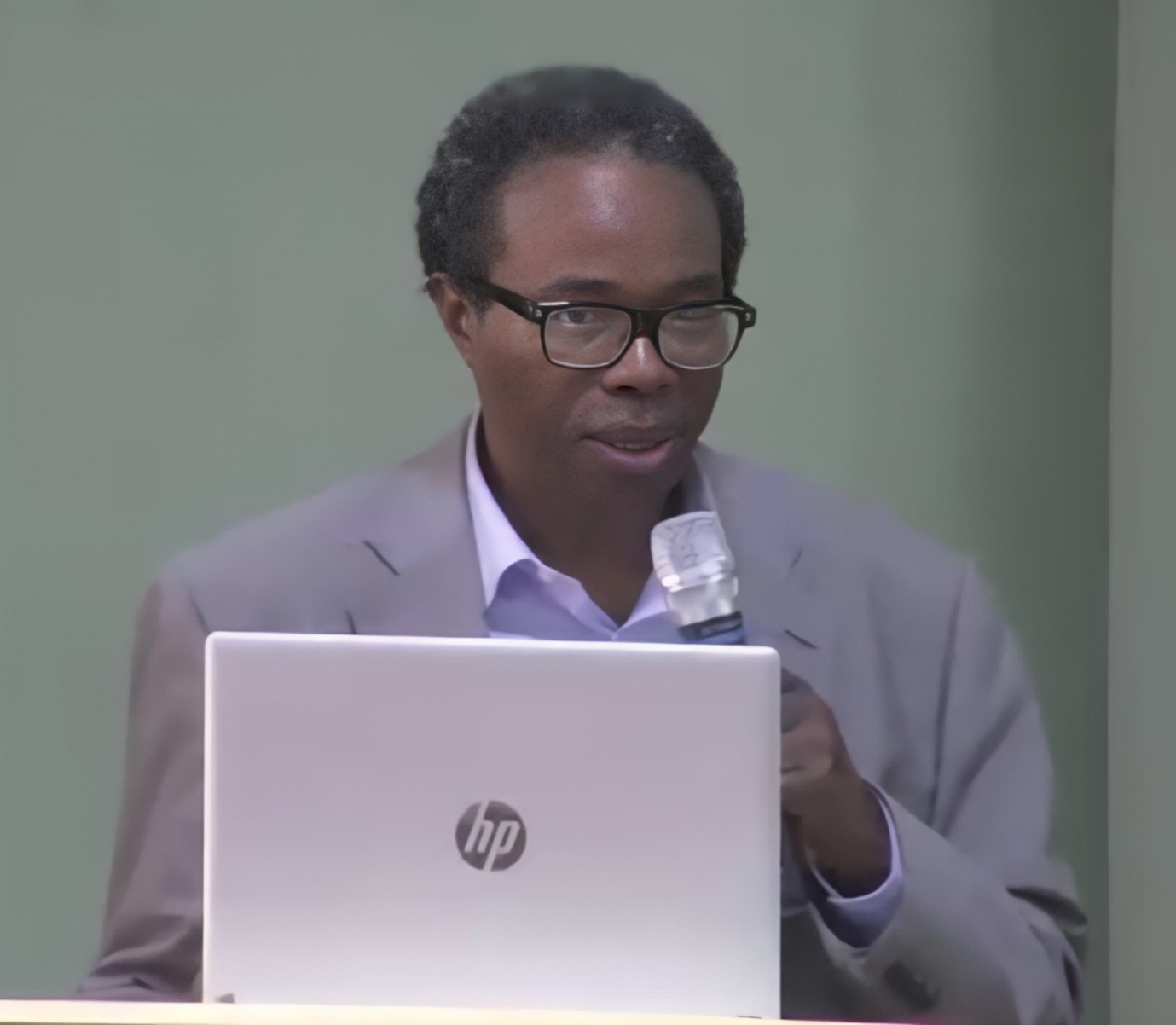
Professor Alada’s presentation on publication assessment for promotion outlined the University’s expectations for assessors, stressing objectivity, qualitative rating, and the avoidance of double-counting. He detailed the scoring system, noting that for professorial candidates, at least 25% of publications must be first or corresponding authored, and a minimum of 70 points is required. “An assessor must ensure that every publication is genuine, eligible, accurately classified, clearly evaluated, and properly documented,” Alada stated, adding that confidentiality and adherence to deadlines are non-negotiable.
The significance of the assembly extends beyond the lecture theatre: it signals a deliberate effort by CoMUI’s leadership to institutionalize a culture of grantsmanship, transparent assessment, and collective stewardship. The event underscored the College’s resolve to address unfinished business, from research funding to student and staff welfare, while celebrating a legacy of scholarship that continues to rank CoMUI among Africa’s leading medical institutions. As the administration enters its final phase, the message is clear: progress must be measured not by intentions alone, but by the systems and structures left behind for future generations.