

The University of Ibadan has appointed seventeen new Emeriti Professors, six of whom are distinguished academics from the College of Medicine. The appointees from the College of Medicine are:
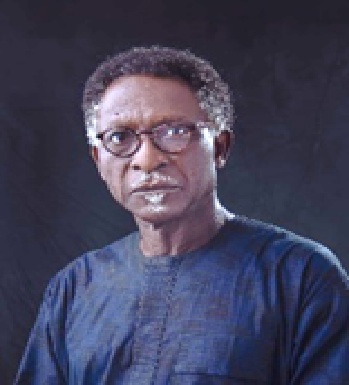
Emeritus Professor Matthew Temitayo Shokunbi, Department of Anatomy, College of Medicine, University of Ibadan, Ibadan
Emeritus Professor Matthew Temitayo Shokunbi is a distinguished anatomist, neuroscientist and consultant neurosurgeon whose career has been defined by an unusual and fruitful combination of basic medical science, clinical neurosurgery, postgraduate education, research and institutional leadership. Over more than four decades of service to the University of Ibadan and the University College Hospital, Ibadan, he has contributed substantially to the training of generations of medical practitioners and scientists, the development of neurosurgical practice in Nigeria, and the advancement of neuroscience research.
Early Education and Training
Matthew Temitayo Shokunbi received his undergraduate medical education (MBBS) at the University of Ibadan between 1973 and 1978. His undergraduate career was distinguished by exceptional academic performance, with distinctions in Pathology, Paediatrics, and Obstetrics and Gynaecology, and was awarded the Faculty of Medicine Prize for the best overall performance in his graduating class. He also received the University of Ibadan Prize in Pathology, the Paediatric Association of Nigeria Conference Award for the best student in Paediatrics, and the Medal in Child Health and Obstetrics.
Following his medical qualification, Emeritus Professor Shokunbi embarked on specialist training in neurosurgery in Canada. Between 1981 and 1986, he studied at the University of Western Ontario, where he undertook postgraduate training in anatomy, neuroscience and neurosurgery. He obtained an MSc in Anatomy in 1984 and, in 1986, received the Specialist Certificate in Neurosurgery of the Royal College of Physicians and Surgeons of Canada. He was subsequently elected a Fellow of the Royal College of Physicians and Surgeons of Canada. His postgraduate training was marked by research excellence, including the Basic Sciences Award at the University of Western Ontario Neurosciences Resident Research Day in 1984 and the Scott Amacher Memorial Award for the best clinical research paper in 1985.
His commitment to the study of the nervous system extended beyond conventional clinical training. In 1990–1991, he was a Matsumae International Foundation Fellow at the Meiji Institute of Health in Odawara and the Congenital Anomalies Research Centre at Kyoto University, Japan, where he pursued research relating to congenital anomalies. He later undertook fellowship training in Paediatric neurosurgery at the University of Ottawa and the Children's Hospital of Eastern Ontario in 1994. His research training also included work at the National Institute of Genetics in Mishima, Japan, where he studied teratology, molecular biology and cell neurobiology. These international experiences are important components of his development as a clinician-scientist.
Academic Journey
Emeritus Professor Shokunbi joined the University of Ibadan as a Lecturer II on 23 November 1980. From August 1988, he held a joint academic appointment involving the Department of Anatomy and the Department of Surgery, an arrangement that reflected the distinctive character of his career. He brought together the perspectives of a basic medical scientist and a practising neurosurgeon, applying anatomical and developmental knowledge to problems of clinical neuroscience. He rose through the academic ranks and was appointed Professor of Anatomy on 23 December 1996. The University of Ibadan identified him as a Professor in the Department of Anatomy, Faculty of Basic Medical Sciences, while also recognising his clinical role in neurological surgery.
For nearly four decades, teaching was central to Emeritus Professor Shokunbi's academic career. He taught neuroanatomy to medical, dental and physiotherapy students, as well as general anatomy and embryology to students in medicine, dentistry, nursing and physiotherapy. His clinical responsibilities included teaching neurosurgery to senior medical and dental students and specialist-level instruction to trainees in neurosurgery and related disciplines. At postgraduate level, he taught advanced neuroscience and supervised students pursuing MSc, MPhil, MD and PhD degrees, in addition to training 25 neurosurgeons to fellowship certification. Through this sustained commitment to mentorship, Emeritus Professor Shokunbi has helped develop a succession of Nigerian neuroscientists, anatomists and neurosurgeons.
Clinical and Research interests
Emeritus Professor Shokunbi served as a Consultant Neurological Surgeon at the University College Hospital, Ibadan, from 1987 to 2024. His clinical and research interests have included paediatric and developmental neurosurgery, congenital anomalies of the nervous system, neuroanatomy and developmental neurobiology. His research continued to bridge laboratory neuroscience and clinical neurosurgery. His publications have addressed, among other subjects, hydrocephalus and its effects on the developing brain, spinal tumours, congenital spinal dysraphism and paediatric neurological disorders. His publications also include clinical studies of spinal tumours and recent work on atypical variants of spinal dysraphism.
This combination of clinical and experimental research has been one of the defining characteristics of Emeritus Professor Shokunbi's scholarly contribution. His work has brought together anatomy, embryology, developmental neuroscience and neurosurgery, demonstrating the practical value of basic medical science in addressing complex neurological conditions. His research collaborations with younger scholars have also provided an important platform for postgraduate training and the development of neuroscience research at the University of Ibadan. He has over 175 peer-reviewed publications, with local and foreign collaborations, spanning both basic and clinical medical sciences.
Research Grants
His participation in major international research has further enhanced the visibility of his work. He was involved in the Clinical Randomization of an Antifibrinolytic in Significant Head Injury (CRASH-3) Trial, a large international randomised controlled study funded by the UK Medical Research Council.
Of particular significance was his involvement with the John D. and Catherine T. MacArthur Foundation's institutional development programme at the University of Ibadan. He served as Grant Liaison Officer and Project Manager between June 2002 and September 2005 for an institutional development grant of US$3 million and participated in the preparation of the renewal proposal for a further US$3.4 million.
His institutional development responsibilities also included the World Bank-funded Science and Technology Education Project under the Nigerian Science and Technology Education Post-Basic Programme (STEP-B). Between 2008 and 2010, he served as Proposal Convener and Project Manager of the University of Ibadan project, which had a total value of US$500,000. After securing the first tranche of US$230,000 and establishing the project, he handed over its management to the subsequent project manager.
Another major research initiative with which he was associated was the CRASH-3 trial, for which the University of Ibadan component formed part of the wider international study. The project attracted funding of approximately £2.16 million and involved a large international research consortium. Its findings contributed to the evidence base for the use of tranexamic acid in traumatic brain injury.
In 2023, Emeritus Professor Shokunbi attracted a TETFund National Research Fund grant of N21 million for research on aquaporin-4 modulation as a potential therapeutic target for non-surgical treatment of childhood hydrocephalus, a continuation of his longstanding research interest in the biological mechanisms and treatment of hydrocephalus.
Administrative Duties
Emeritus Professor Shokunbi has made major contributions to academic and institutional administration. He served several terms as Acting Head and Head of the Department of Anatomy and was Provost of the College of Medicine, University of Ibadan, from August 1998 to July 2002. As Provost, he was also a member of the Court of Governors of the College. He subsequently served in senior leadership positions within the Institute of Neurological Sciences at the University College Hospital, including as Director and Head of the Department of Neurological Surgery. His tenure as Provost, Director of the Institute of Neuroscience and Head of Neurological Surgery are among his major administrative responsibilities.
His administrative service extended well beyond his immediate departments. He served as a member of the Governing Council of the University of Ibadan and on the governing and management boards of major Nigerian health and higher-education institutions. His national service included membership of the Medical and Dental Council of Nigeria, the National Universities Commission and the National Hospital, Abuja. He also served on committees concerned with the development and upgrading of medical education and tertiary healthcare institutions.
His leadership in professional organisations has been extensive. Nationally, he served as Vice-Chairman of the Nigerian Medical Association, Oyo State Branch; President of the Nigerian Surgical Research Society; and President of the Nigerian Society of Neurological Sciences. He has also held leadership positions in the Nigerian Academy of Neurological Surgeons and the Nigerian Academy of Sciences. He was elected a Fellow of the Nigerian Academy of Sciences in 2006 and subsequently served on its Council, as Academic Secretary of its Biological Sciences Section, and as Treasurer. He has served in several leadership and editorial capacities within professional medical and scientific organisations.
His professional influence has also extended across Africa and internationally. He is a Fellow of the West African College of Surgeons and has served as an examiner for the College. He was President of the Anatomical Society of West Africa and served in the leadership of the Pan African Association of Neurological Sciences. He has contributed to professional journals as an editor, editorial adviser and consultant editor, was appointed in 2024 as Continental Editor of the journal of the World Federation of Neurosurgical Societies.
Contribution to Medical Education
Another important dimension of Emeritus Professor Shokunbi's career has been his contribution to the wider development of medical education and healthcare institutions. He has served on national committees and boards concerned with medical education, tertiary hospitals and health policy. Internationally, he has provided advisory services to institutions outside Nigeria, including Makerere University and the International Bioethics Training Programme at Case Western Reserve University. In 2010, he served as a World Health Organization adviser to the Federal Ministry of Health of Zambia on the establishment of a new medical school at Copperbelt University. His contribution to institutional development therefore extended beyond his own university and specialty.
His service to the University of Ibadan and the University College Hospital has also included important institutional initiatives. He served on committees concerned with the University's vision and mission, governance, staff policies and endowed chairs. At the University College Hospital, he chaired an ad hoc committee on the establishment of intramural private practice. The recommendations from that process contributed to the eventual development of a special wing for private practice and improved revenue generation for the institution.
Honours and Distinctions
Emeritus Professor Shokunbi's career has been recognised through numerous professional honours and distinctions. In addition to his fellowships of the Royal College of Physicians and Surgeons of Canada and the West African College of Surgeons, he is a Fellow of the Nigerian Academy of Sciences and a founding Fellow of the Nigerian Academy of Medicine. His professional leadership has included service as Honorary President of the Nigerian Academy of Neurological Sciences and trustee and other senior roles in Nigerian neurosurgical organisations.
Emeritus Professor Matthew Temitayo Shokunbi's career represents an uncommon synthesis of scholarship, clinical excellence, teaching, research, leadership and public service. Perhaps his most enduring contribution is the bridge he has built between anatomy and neurosurgery. Through his teaching, research and clinical practice, he has demonstrated that the understanding of the structure and development of the nervous system is inseparable from the effective treatment of neurological disease. His work in developmental neurobiology, congenital neurological disorders and hydrocephalus, alongside his clinical service and training of neurosurgeons, has helped strengthen the intellectual and professional foundations of neurological sciences in Nigeria.
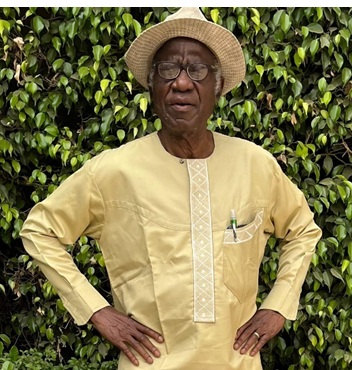
Emeritus Professor Michael Chiemeli Asuzu, Department of Community Medicine, Faculty of Clinical Sciences, College of Medicine, University of Ibadan, Ibadan
Emeritus Professor Michael Chiemeli Asuzu [MB;BS, DOHS, MSc, FMCPH, FFPHM(UK), MD], Professor of Disciplinary Public Health and Community Medicine, is a national icon and a globally recognised authority in occupational health, medical ethics and epidemiology. Born on 29 September 1950 on the feast of the Archangels, he had his secondary school education in the famous College of the Immaculate Conception (CIC) in Enugu. He had undergraduate and postgraduate education at the University of Ibadan and McMaster University, Hamilton, Ontario, Canada. He obtained the MB;BS of the University of Ibadan in 1977 with a distinction in human anatomy, and at McMaster University he earned a Diploma in Occupational Health and Safety and an MSc in Epidemiology and Biostatistics in 1984. Appointed Professor at the University of Ibadan on 1 October 1995, he served the University for 33 years, 25 of them as a Professor, before his retirement on 29 September 2020. He is a Fellow of the Faculty of Public Health Medicine of the Royal College of Physicians of the United Kingdom (elected 2003) and an Honorary Fellow of the College of Public Health Medicine of the Colleges of Medicine of South Africa (elected 2012). His early scholarship was recognised through the National Scholarship in Medicine of the University of Ibadan (1972 to 1977) from the best three preclinical medical students of that year and a Rockefeller Foundation training fellowship in clinical epidemiology and biostatistics (1983 to 1984). He has been a Fellow of the International Clinical Epidemiology Network (INCLEN) since 1984 and a Life Member of the International Epidemiological Association since 2003.
In respect of administrative experience, Emeritus Professor Asuzu was a two-time Director of the Ibarapa Programme of the University of Ibadan and the University College Hospital, a role he held for a total of 14 years, making him the programme's longest serving Director. He was the first substantive Head of the Department of Community Medicine when it was re-established from the former Department of Preventive and Social Medicine (2000 to 2003), and had the privilege to provide the foundational brief for the department, with well defines subspecialty units. He was Coordinator of Studies of the Ibarapa Programme (1990 to 1995), and Sub-Dean (Postgraduate) of the Faculty of Clinical Sciences and Dentistry. Beyond the University, he served the National Postgraduate Medical College of Nigeria as Faculty Secretary (2001 to 2004) and later as Chairman (2005 to 2009) of its Faculty of Public Health and Community Medicine.
Emeritus Professor Asuzu has been part of several epoch-making studies at home and abroad, with a body of work spanning occupational and environmental health, epidemiology and medical statistics, medical ethics, and primary health care. He was an investigator on the landmark African Programme on Onchocerciasis grants, a research work that has contributed to disease control across West Africa. His research provided the basis for standardising Primary Health Care in Nigeria through the establishment of minimum standards for optimal service delivery. He has attracted grants to the University, both as an individual and in collaboration, from local and international organisations including the Federal Ministry of Health, Nigeria, the World Health Organisation, the British Council and the United States National Institutes of Health. Through one of the foreign research grants on which he was a co-investigator, he obtained the first de jure census of the Igboora and Idere communities and their territories, providing an authentic basis for community health practice. During his second tenure as Director of the Ibarapa Programme, he commissioned the only survey of the programme's 43.6 hectares of land and secured its registration under the Oyo State Ministry of Lands, a step that had been neglected since the programme began in 1963, thereby giving the University legal ownership of the land for the first time.
Emeritus Professor Asuzu at this appointment has 232 publications to his credit, comprising a book, chapters in books, refereed conference proceedings and articles in learned journals, of which 179 (77.2 per cent) appeared after his promotion to the professorship; and still counting. His output reflects a strong collaborative tradition, with works published in collaboration with students, resident doctors and colleagues (122), local collaborators (29) and international collaborators (28). He taught undergraduate and postgraduate students in epidemiology and medical statistics, medical ethics, occupational health and research methods. His association with teaching at the University began as a student demonstrator in physiology (1974 to 1977) and continued as a lecturer from 1987 until his retirement in 2020, including a period teaching at the Fiji School of Medicine (1997 to 2000). Within his years of service he supervised 80 postgraduate students, comprising three MSc, 37 MPH/MPhil, seven PhD and 33 fellowship candidates. All seven of the PhD candidates he supervised have become professors, six of them in other departments of the University of Ibadan, and eleven of the community physicians he mentored at the fellowship level are today professors in other institutions.
Emeritus Professor Asuzu is an icon of public health in Nigeria. Since his national youth service in the defunct Benue State, which exposed him to Primary Health Care under the Basic Health Services Scheme, he has ceaselessly championed the establishment of statutory, disciplinary public health services in the country. He subsequently supervised youth corps health workers in all of the old Gongola State for three years, which work and programme evaluation was used for the community health project of his fellowship in Public health and community medicine, besides the dissertation in occupational health. He has founded or strengthened several essential public health bodies, including the Epidemiological Society of Nigeria, the African Epidemiological Association, the Society for Public Health Professionals of Nigeria and the Association of Public Health Physicians of Nigeria. His leadership of these institutions has been sustained and consequential: National Chairman of the Association of Public Health Physicians of Nigeria (2005 to 2009), Foundation President of the Society for Public Health Professionals of Nigeria (2011 to 2025), Chairman of the Board of Trustees of the Epidemiological Society of Nigeria (2024 to date), President of the Africa Federation of Public Health Associations (2023 to date), and Co-Chair of the Technical Working Group on Occupational and Environmental Health of the World Federation of Public Health Associations (2015 to 2021).
He has served on numerous technical and advisory committees addressing vaccine-preventable diseases, outbreak control, public health policy and health management. At the national level he chaired the Ministerial Committee on the H5N1 Avian Influenza Pandemic (2005 to 2006), the Nigeria Medical Association Committee on Ebola and other Medical Emergencies (2014 to 2016), the Ministerial Health Committee on the investigation of the Lassa fever epidemic (2016), and the Ministerial Health Committee on the Mapping and Upgrading of Primary Health Care Facilities in Nigeria (2016). He also served as Associate Editor for Public Health of the Nigerian Postgraduate Medical Journal (2005 to 2014) and as Board Chairman of the Journal of Community Medicine and Primary Health Care (2005 to 2015). A member of many distinguished learned and professional bodies, Emeritus Professor Asuzu belongs to the International Epidemiological Association (Life Member), the International Congress on Occupational Health, the World Federation of Public Health Associations, the Africa Federation of Public Health Associations and the International Federation of Catholic Physicians Guilds. In recognition of his contributions, he received the Award of Honour for contribution to Public Health in Africa from the Nigerian Public Health Conference in 2008.
Emeritus Professor Asuzu is a passionate Catholic Christian whose life work has been guided by his faith. Alongside his wife Professor Chioma Asuzu, they have shone a light on faith based family planning and healthy Christian living. This couple has taught thousands, written monographs, sponsored numerous couples in marriage and continue to live an enviable example of a blessed union.
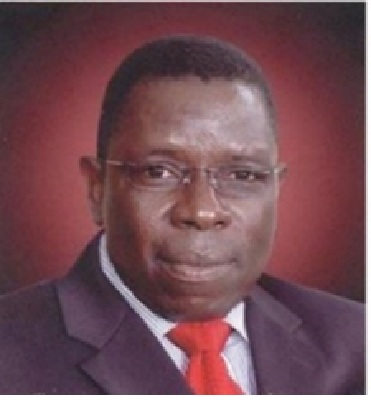
Emeritus Professor Oladimeji Oladepo
Department of Health Promotion and Education, Faculty of Public Health, College of Medicine, University of Ibadan, Ibadan
Emeritus Professor Oladimeji Oladepo, PhD, MPH, FRSPH (UK), is a Professor of Public Health and a globally recognized leader and scholar in the field. He was born in Ilero, Kajola Local Government Area, Oyo State, Nigeria, and received his undergraduate and postgraduate education at the University of Ibadan and the University of North Carolina at Chapel Hill, USA. He was appointed Professor at the University of Ibadan in 1999.
He has supervised the successful completion of over 218 MPH dissertations and 16 PhD theses at the University of Ibadan, along with two PhD theses outside Nigeria. Since his retirement, he has supervised the completion of six additional PhD candidates. He has served as an external examiner at the University of Ghana, Makerere University (Uganda), the University of KwaZulu-Natal (South Africa), and Delft University of Technology (the Netherlands), and as a professorial assessor for the Johns Hopkins Bloomberg School of Public Health, USA, and Delft University of Technology. His mentorship extends to young lecturers and researchers across Africa, Europe, and the United States, many of whom now hold leadership positions in academia, research, and international organizations. A dedicated mentor, he has guided numerous young lecturers and research investigators across African universities, many of whom have gone on to become accomplished professors, researchers, and leaders in international organizations and NGOs.
He has twice served as Dean of the Faculty of Public Health and four times as Head of the Department of Health Promotion and Education. He has also served as Project Coordinator of the African Regional Health Education Centre (ARHEC) and Country Coordinator of the Future Health Systems Research Consortium.
Emeritus Professor Oladepo is a highly productive international public health researcher with an established record of developing and managing large-scale, multi-site, collaborative, multidisciplinary implementation research. He has led approximately 47 funded research projects that have generated significant policy and programmatic impact across sub-Saharan Africa. Over the past 35 years, Emeritus Professor Oladepo has provided extensive consultancy services, both locally and internationally, to African governments and multilateral agencies, including the World Bank, WHO, the UK Department for International Development (DFID), the Program for Appropriate Technology in Health (PATH), Management Strategies for Africa (MSA), the Centre for Development and Population Activities (CEDPA), Advocates for Youth, the Population Council, the African Development Bank, the Ford Foundation, YMCA, UNICEF, and USAID/Centers for Disease Control and Prevention (CDC), among others. He has served on several WHO expert committees, including those on Health Promotion and Education (1984–1986), Health Equity Analysis and Social Determinants of Health (WHO Regional Office for Africa, 2010–2014), and the Expert Advisory Panel on Health Promotion (Geneva, 2008–2010). At the national level, he chaired the Behavioural Change Communication component of the ECOWAS Malaria Task Force (2012) and the Behavioural Change Communication Technical Working Group of the National Steering Committee on Anti-Malaria Treatment Policy Implementation, and served as a member of the National Committee on HIV/AIDS/STI Control (2003–2004). He also contributed to the development of Nigeria's National Health Promotion Policy and its strategic framework and implementation plan, and served as lead consultant for the pre-service training curriculum for community health practitioners under the Community Health Practitioners Registration Board of Nigeria (CHPRBN). Emeritus Professor Oladepo served as a Temporary International Professional at the Department of Communicable Diseases and Mental Health, World Health Organization (WHO) South-East Asia Regional Office, New Delhi, in 2008. His fellowships include the WHO; the John D. and Catherine T. MacArthur Foundation Fund for Leadership (Chicago, USA); Visiting Scientist, WHO, at the University of North Carolina at Chapel Hill; Visiting Fellow, Department of Population, Family and Reproductive Health, Johns Hopkins Bloomberg School of Public Health, USA; the Royal Society of Public Health, United Kingdom; and Research Fellow, African Population and Health Research Center, Kenya, and the International Development Research Centre, Canada.
He has published over 226 papers in leading peer-reviewed journals, in addition to numerous book chapters, monographs, and technical reports. He serves on the editorial boards of several local and international journals, including The Lancet Global Health, BMC Cancer, Global Health Promotion, PLOS Neglected Tropical Diseases, Health Promotion International, the African Journal of Medicine and Medical Sciences, and the African Journal of Reproductive Health, and Frontiers in Public Health.
Emeritus Professor Oladepo is a member of several distinguished academic and professional bodies, including the American Society of Tropical Medicine and Hygiene, the Royal Society of Public Health (UK), the Association of Schools of Public Health in Africa (ASPHA), and the International Union for Health Promotion and Education (IUHPE). Emeritus Professor Oladepo's honours include the Faculty Meritorious Award of Honour; the Distinguished Resource Person Award for B.R.A.I.N.S. Implementation Research (University of Lagos, Harvard University, and Northwestern University, USA, 2019); the Career and Health Information Consult Award (2022); the Translating Research Evidence into Policy and Practice (TREPP) Award (2018); the Ilero Award of Excellence for Community Development and Academic Achievement (2018); and the YMCA Merit Award for Outstanding Leadership (2006).
Emeritus Professor Oladepo is married to Modupeola (née Ogungbemi), and they are blessed with children.
Emeritus Professor Oladimeji Oladepo
Department of Health Promotion and Education, Faculty of Public Health, College of Medicine, University of Ibadan, Ibadan
Emeritus Professor Oladimeji Oladepo, PhD, MPH, FRSPH (UK), is a Professor of Public Health and a globally recognized leader and scholar in the field. He was born in Ilero, Kajola Local Government Area, Oyo State, Nigeria, and received his undergraduate and postgraduate education at the University of Ibadan and the University of North Carolina at Chapel Hill, USA. He was appointed Professor at the University of Ibadan in 1999.
He has supervised the successful completion of over 218 MPH dissertations and 16 PhD theses at the University of Ibadan, along with two PhD theses outside Nigeria. Since his retirement, he has supervised the completion of six additional PhD candidates. He has served as an external examiner at the University of Ghana, Makerere University (Uganda), the University of KwaZulu-Natal (South Africa), and Delft University of Technology (the Netherlands), and as a professorial assessor for the Johns Hopkins Bloomberg School of Public Health, USA, and Delft University of Technology. His mentorship extends to young lecturers and researchers across Africa, Europe, and the United States, many of whom now hold leadership positions in academia, research, and international organizations. A dedicated mentor, he has guided numerous young lecturers and research investigators across African universities, many of whom have gone on to become accomplished professors, researchers, and leaders in international organizations and NGOs.
He has twice served as Dean of the Faculty of Public Health and four times as Head of the Department of Health Promotion and Education. He has also served as Project Coordinator of the African Regional Health Education Centre (ARHEC) and Country Coordinator of the Future Health Systems Research Consortium.
Emeritus Professor Oladepo is a highly productive international public health researcher with an established record of developing and managing large-scale, multi-site, collaborative, multidisciplinary implementation research. He has led approximately 47 funded research projects that have generated significant policy and programmatic impact across sub-Saharan Africa. Over the past 35 years, Emeritus Professor Oladepo has provided extensive consultancy services, both locally and internationally, to African governments and multilateral agencies, including the World Bank, WHO, the UK Department for International Development (DFID), the Program for Appropriate Technology in Health (PATH), Management Strategies for Africa (MSA), the Centre for Development and Population Activities (CEDPA), Advocates for Youth, the Population Council, the African Development Bank, the Ford Foundation, YMCA, UNICEF, and USAID/Centers for Disease Control and Prevention (CDC), among others. He has served on several WHO expert committees, including those on Health Promotion and Education (1984–1986), Health Equity Analysis and Social Determinants of Health (WHO Regional Office for Africa, 2010–2014), and the Expert Advisory Panel on Health Promotion (Geneva, 2008–2010). At the national level, he chaired the Behavioural Change Communication component of the ECOWAS Malaria Task Force (2012) and the Behavioural Change Communication Technical Working Group of the National Steering Committee on Anti-Malaria Treatment Policy Implementation, and served as a member of the National Committee on HIV/AIDS/STI Control (2003–2004). He also contributed to the development of Nigeria's National Health Promotion Policy and its strategic framework and implementation plan, and served as lead consultant for the pre-service training curriculum for community health practitioners under the Community Health Practitioners Registration Board of Nigeria (CHPRBN). Emeritus Professor Oladepo served as a Temporary International Professional at the Department of Communicable Diseases and Mental Health, World Health Organization (WHO) South-East Asia Regional Office, New Delhi, in 2008. His fellowships include the WHO; the John D. and Catherine T. MacArthur Foundation Fund for Leadership (Chicago, USA); Visiting Scientist, WHO, at the University of North Carolina at Chapel Hill; Visiting Fellow, Department of Population, Family and Reproductive Health, Johns Hopkins Bloomberg School of Public Health, USA; the Royal Society of Public Health, United Kingdom; and Research Fellow, African Population and Health Research Center, Kenya, and the International Development Research Centre, Canada.
He has published over 226 papers in leading peer-reviewed journals, in addition to numerous book chapters, monographs, and technical reports. He serves on the editorial boards of several local and international journals, including The Lancet Global Health, BMC Cancer, Global Health Promotion, PLOS Neglected Tropical Diseases, Health Promotion International, the African Journal of Medicine and Medical Sciences, and the African Journal of Reproductive Health, and Frontiers in Public Health.
Emeritus Professor Oladepo is a member of several distinguished academic and professional bodies, including the American Society of Tropical Medicine and Hygiene, the Royal Society of Public Health (UK), the Association of Schools of Public Health in Africa (ASPHA), and the International Union for Health Promotion and Education (IUHPE). Emeritus Professor Oladepo's honours include the Faculty Meritorious Award of Honour; the Distinguished Resource Person Award for B.R.A.I.N.S. Implementation Research (University of Lagos, Harvard University, and Northwestern University, USA, 2019); the Career and Health Information Consult Award (2022); the Translating Research Evidence into Policy and Practice (TREPP) Award (2018); the Ilero Award of Excellence for Community Development and Academic Achievement (2018); and the YMCA Merit Award for Outstanding Leadership (2006).
Emeritus Professor Oladepo is married to Modupeola (née Ogungbemi), and they are blessed with children.

Emeritus Professor Olayemi Olufemi-Julius Omotade
MBBS (Ib.), FMCPaed. (Nigeria), MA Bioethics (CWRU, US), FRCPCH (UK)
Institute of Child Health, College of Medicine, University of Ibadan, Ibadan, Nigeria
Emeritus Professor Olayemi Olufemi-Julius Omotade, Professor of Paediatrics and Child Health of the Institute of Child Health, College of Medicine, University of Ibadan, stands as one of the distinguished academic paediatricians, child-health scholars, clinical geneticists, bioethicists, and institutional builders. He received his secondary education at the famous Christ’s School Ado-Ekiti and his foundational medical education at the University of Ibadan Medical School (1972 – 1977), earning the Bachelor of Medicine and Bachelor of Surgery degree in 1977. He undertook postgraduate residency training in Paediatrics at the University College Hospital, Ibadan (1979 – 1985), culminating in the Fellowship of the National Postgraduate Medical College in Paediatrics in 1985. His specialist formation was further strengthened through attachment training as Senior Registrar/Research Scientist at the Child Health Laboratories, University Hospital of Wales, Welsh National College of Medicine, Cardiff (1983 – 1984), where he received training in clinical genetics under Federal Government sponsorship.
Through a Fogarty Fellowship in Bioethics, Emeritus Professor Omotade proceeded to Case Western Reserve University, Cleveland, Ohio, United States of America, where he completed the Master of Arts degree in Bioethics in 2002. He was elected Fellow of the Royal College of Paediatrics and Child Health, United Kingdom, in 2006. His academic and professional identity therefore spans paediatrics, child health, community and preventive paediatrics, clinical genetics, infectious diseases research, public health biotechnology, health systems research, and bioethics.
Emeritus Professor Omotade served as Director of the Institute of Child Health, College of Medicine (2003-2014). He was also Consultant Paediatrician to the University College Hospital, Ibadan, and contributed to the clinical, academic, and research mandates of the Department of Paediatrics and the Institute of Child Health over several decades. His University of Ibadan career progression included appointments as Research Fellow I (Medical), Senior Research Fellow, and Professor of Paediatrics and Child Health at the Institute of Child Health.
His institutional leadership extended beyond routine academic administration. He was a member of the Board of Management of the University College Hospital, Ibadan, from 2010 to 2012, initiated and chaired the Clinical Ethics Committee of the University College Hospital, Ibadan, and contributed as a staff member of the West African Bioethics Initiative at the University of Ibadan. Within the College of Medicine, he was the founding Director of the Centre for HIV-AIDS Intervention, Nigeria (CEHAIN), a platform that brought together researchers working on HIV/AIDS across the College.
Emeritus Professor Omotade’s research portfolio reflects a rare combination of paediatric clinical science, community-based intervention research, infectious disease epidemiology, clinical genetics, public health nutrition, and bioethics. His primary thematic domains include child health, community and preventive paediatrics, diarrhoeal disease control, measles and vaccine-related research, respiratory syncytial virus infection, malaria pathogenesis and intervention, sickle cell disease and haemoglobinopathy, congenital malformations, anthropometry and neonatal growth, HIV/AIDS, micronutrient deficiencies, hypertension and cardiometabolic genetics, and the ethical governance of research.
His completed studies include studies on congenital malformation burden, sickle cell disease prophylaxis and therapy, self-appraisal among sickle cell patients and carers, identification and testing of anti-sickling agents from local herbs, anthropometry in clinical genetics, ABO and RH(D) gene frequencies in healthy infants, investigations on viral agents in infantile diarrhoeal disease; measles in Ibadan; a field trial of combined yellow fever and measles vaccines among children in Nigeria; HTLV type I and II infection in mother-child pairs in Southwest Nigeria; educational interventions for preventive management of diarrhoeal diseases in Ona-Ara Local Government Area; oral rehydration therapy and drug utilisation in diarrhoea management in Ogun State; HIV/AIDS prevention knowledge and beliefs in Osun State; and the epidemiology of respiratory syncytial virus lower respiratory tract infection in Nigerian children, sponsored by WHO Geneva.
His international collaborative grant portfolio included NIH-supported work on the genetics of obesity in families of African origin and the genetics of hypertension in Africans in the diaspora; a Loyola University, Chicago-supported nurse-led hypertension treatment initiative in Africa; IAEA-supported research on energy expenditure, body composition, physical activity and progression to impaired glucose tolerance and diabetes; and WHO-supported studies on RSV infection and cerebral malaria. He also contributed to major operational research and health systems projects sponsored or supported by UNICEF, USAID/OMNI, WHO, UNDP, DFID/PATHS2, Abt Associates, Carnegie Corporation of New York, Harvard Institute for International Development, and the Federal Government of Nigeria.
Emeritus Professor Omotade’s scholarship is situated at the interface of field research, health systems strengthening, programme planning, and policy development. Through community-based studies on diarrhoeal disease terminology, household management, handwashing, environmental sanitation, ORT/ORS practices and drug use, he helped demonstrate the importance of adapting child health policy and programmes to local cultural norms. His work on childhood diarrhoea, oral rehydration, and community perceptions contributed to practical evidence for child-survival programming in South-West Nigeria. Emeritus Professor Omotade has authored and co-authored more than 90 scientific papers, technical reports and monographs, with publications appearing in leading outlets in paediatrics, tropical medicine, infectious disease, hypertension, genetics, bioethics, epidemiology and public health. His publication record includes work in the Journal of Diarrhoeal Diseases Research, Nigerian Journal of Paediatrics, African Journal of Medicine and Medical Sciences, Annals of Tropical Paediatrics, West African Journal of Medicine, Journal of Tropical Pediatrics, Journal of Hypertension, Ethnicity & Disease, Acta Tropica, Malaria Journal, Lancet, PLoS ONE, Hypertension, PLoS Neglected Tropical Diseases, Molecular Genetics and Genomic Medicine, and other international and regional journals.
His technical reports and monographs demonstrate a sustained commitment to evidence-informed national development. These include reports on the survival, protection and development of the Nigerian child; Bamako Initiative assessments; health management information systems in Nigerian states; the Nigeria National Micronutrient Survey; baseline situation analyses of women and children; immunisation coverage in South-West Nigeria; burden of disease for the National Strategic Health Plan; and PATHS2-supported health system strengthening surveys.
Across the arc of his career, Emeritus Professor Omotade has combined rigorous clinical science with public health relevance, ethical leadership, institutional service and mentorship. His work helped strengthen paediatrics, child health research, bioethics, malaria research capability, community-based child-survival programming, and postgraduate education at the University of Ibadan and beyond. His legacy is reflected not only in publications and technical reports, but also in institutions built, students mentored, policies informed, and professional networks strengthened.
As a Fogarty Fellow in Bioethics, he was instrumental in the initial work that contributed to Nigeria’s National Ethical Guidelines. He subsequently served on the National Ethics Review Board for Nigeria and the Joint Institutional Review Committee of the University of Ibadan/University College Hospital. His leadership in creating and chairing the Clinical Ethics Committee of the University College Hospital positioned him as a major contributor to the institutionalisation of ethical review, clinical ethics consultation, and responsible research governance in Nigeria.
Emeritus Professor Omotade’s expert service spans national, regional and global institutions. He has worked with WHO, UNICEF, UNDP, USAID-supported programmes, Federal Ministry of Health-linked initiatives, the National Primary Health Care Development Agency, DFID/PATHS2, Abt Associates, Harvard Institute for International Development, Carnegie Corporation-supported programmes, and other multilateral and development partners. His consultancies include service as Team Leader of the Burden of Diseases Group for the Nigeria Strategic Health Development Plan; Consultant to WHO Geneva in jump-starting malaria research activities in Sierra Leone after the war; UNICEF-supported assessments of the Bamako Initiative and Primary Health Care programmes; Federal Government of Nigeria/USAID/ISTI work on nationwide micronutrient deficiency status among mothers and children; compilation of the National Micronutrient Report for the John Snow Institute; UNICEF National Plan of Action work toward the Summit Goals for Children; and UNDP Team Leadership for the Health and Population Sector of Nigeria’s Needs Assessment Exercise for the Fourth Country Programme. He participated in major national and regional assessments with direct policy relevance, including the National Programme of Action for the Survival, Protection and Development of the Nigerian Child; assessment and evaluation of the Bamako Initiative Programme in Nigeria; integration and strengthening of Health Management Information Systems in Nigerian states; the Nigeria National Micronutrient Survey; baseline situation analyses of women and children in selected local government areas; immunisation coverage assessments in South-West Nigeria; and burden-of-disease work for the Nigeria Strategic Health Development Plan.
At the global level, he served as member of the Task Force MIM/TDR/WHO; member of the Scientific Review Committee for the European and Developing Countries Clinical Trials Partnership Senior Fellowships Training Awards; member of the WHO/MIM/TDR Task Force on Malaria Research Capability Strengthening in Africa; member of the WHO Research Capability Strengthening Group; member of the WHO Expert Technical Group on intermittent preventive treatment in infants; member of the International Advisory Board of the Institute for Research on Unlimited Love, Altruism, Compassion and Service at Case Western Reserve University; and member of the United States National Academy of Science, Institute of Medicine Committee that reviewed scientific experiments during the 2014–2016 West African Ebola Virus Disease outbreaks.
Emeritus Professor Omotade has made enduring contributions to postgraduate education and capacity building in child health, public health and biomedical science. He made major contributions to academic programme development at the Institute of Child Health, including the initiation of postgraduate programmes such as the MPH in Child and Adolescent Health, the first globally and the MSc and PhD programmes in Public Health Biotechnology. These programmes expanded the Institute’s academic reach and strengthened interdisciplinary training in child health and public health science. His mentorship record includes supervision of seven doctoral students and more than forty MPH students, with three additional doctoral students still under his supervision after retirement. He has also mentored fellows, early-career researchers, clinical trainees, and scholars working across paediatrics, clinical genetics, infectious disease epidemiology, public health biotechnology, ethics and health systems research. Following retirement, he continued to offer institution-building service as Consultant to Afe Babalola University, Ado-Ekiti, where he was part of the team that started the medical school, and as Consultant to Chrisland University, Abeokuta, where he has contributed to planning for the establishment of the College of Medicine and Health Sciences.
His service as facilitator and resource person at numerous national and international workshops further reflects his commitment to capacity development. These include UNICEF and National Universities Commission workshops on child survival and development; UNICEF/Federal Government high-level policy workshops; training for control of diarrhoeal disease officers; Bamako Initiative training programmes; nutrition review meetings; demographic and health studies training; and Dreyfus Health Foundation problem-solving and proposal development programmes.
Emeritus Professor Omotade’s honours and distinctions include the George Edington Prize of the University of Ibadan, distinction in Pathology, the Departmental Prize in Medical Microbiology, the National Merit Award/Chairman’s Award of the National Youth Service Corps, Federal Government sponsorship for fellowship training in Clinical Genetics in Cardiff, and the Fogarty Fellowship for Bioethics at Case Western Reserve University. He is a Fellow of the National Postgraduate Medical College in Paediatrics, Fellow of the Royal College of Paediatrics and Child Health, United Kingdom, and Fellow of the Paediatric Association of Nigeria.
His professional memberships and learned society affiliations include the Paediatric Association of Nigeria, Nigerian Medical Association, International Association of Tropical Paediatrics, Clinical Genetics Society of Great Britain, American Society for Bioethics and Humanities, World Society of Paediatric Infectious Diseases, Puebla Group of Networks Collaborating on Health Research for Development, African Network for the Prevention and Protection Against Child Abuse and Neglect, Society for Adolescent and Young People’s Health in Nigeria, and the Nationwide Network for Health, Nigeria, where he served as Executive Director.
He is Editor-in-Chief of the Nigerian Journal of Child and Adolescent Health. His editorial leadership complements a long record of scientific reviewing, technical committee service, and international advisory engagement.
Emeritus Professor Omotade is happily married with children and grandchildren. In his leisure, he enjoys reading about abstract science and physics, developing bible studies, listening to Christian music, and maintaining a regular workout routine for fitness.
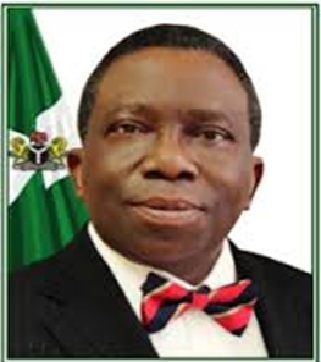
Emeritus Professor Isaac Folorunso Adewole, Department of Obstetrics and Gynaecology, Faculty of Clinical Sciences, College of Medicine, University of Ibadan, Nigeria
Emeritus Professor Isaac Folorunso Adewole (MBBS(Ib), MD, FWACS, FMCOG, FAS, FRCOG, FSPSP, FNAMed), a Professor of Obstetrics and Gynaecology with special sub-specialisation interest in Gynaecological Oncology and Infectious Diseases (Human immunodeficiency virus (HIV) & Human papillomavirus (HPV)), was born at Ilesa, Osun State, Nigeria. He completed his secondary education with distinction at Ilesa Grammar School, Ilesa, and had his undergraduate education at the University of Ibadan with distinction in Paediatrics.
He had his professional training in Gynaecological Oncology at Charing Cross Cancer Center in UK. He is a Fellow of West African College of Surgeons, Fellow National Postgraduate Medical College, Fellow Academy of Science, Fellow of Royal College of Obstetrics and Gynaecology, Fellow of Society of Peace Studies and Practice, and Fellow of Academy of Medicine. Emeritus Professor Adewole was honoured twice with Doctor of Science in University of Sunderland, UK (2015), and Nile University, Abuja, Nigeria (2023), and is a holder of Doctor of Medicine from National Postgraduate Medical College (MD), Faculty of Obstetrics and Gynaecology (2019). During his education and career developments he won many awards some of which include Bixby Leadership Fellow, Guttmacher Institute, USA, Federal Government of Nigeria Postgraduate Scholarship Award for Postgraduate Study in Obstetrics & Gynaecology, National Award Scholar, University of Ibadan (Undergraduate), Glaxo Allenbury Prize for the best overall performance in Paediatrics, and so on.
Apart from serving in numerous committees in the University of Ibadan, other Nigerian and international tertiary institutions in Education and Health sectors, Emeritus Professor Adewole is a rare breed in academia, who has had the privilege of occupying all statutory electable administrative positions in the University of Ibadan. He was Head of Department, Dean, Faculty of Clinical sciences, Provost of the College of Medicine, and the 10th Vice Chancellor. He was also the founding Pro-Chancellor, University of Ilesa, Osun.
On his research front, Emeritus Professor Adewole is one of the leading researchers in Obstetrics and Gynaecology with most of his body of work centered on Gynaecological Oncology with focus on Cervical cancer and gestational trophoblastic diseases, HIV prevention and treatment, unsafe abortion and adolescent health. He has won and successfully implemented numerous funded research grants that has translated into policy and practice nationally and internationally. For example, he is the pioneer principal investigator of HIV prevention and treatment that led to the establishment of one of the first Anti-retroviral treatment/HIV clinic, which later became established as the Infectious Disease Institute, College of Medicine, University of Ibadan following the approval of Senate under his tenure as the 10th Vice Chancellor. This research project trained and produced a critical mass of researchers and scientists working in HIV prevention and treatment space. Through his Operation Stop Cervical Cancer programme, he established six multidisciplinary hubs for cervical cancer screening programme in one tertiary institution per geopolitical zone of Nigeria. He is a member of HPV Consortium, University of Ibadan, a multidisciplinary research team that has attracted several grants on HPV-associated cancers where he is providing leadership and mentorship to young generations of clinician scientists, sociologists and public health enthusiasts across Nigeria. Emeritus Professor Adewole has over 300 publications in peer reviewed journals, books and chapters in books with a H-index of 49, a total citation count of 22,179, an h-index of 49, and an i10-index of 149.
Aside academic positions, Emeritus Professor Adewole has held many important leadership positions for his profession, nationally and internationally, and served meritoriously. For example, he was President of National Association of Resident Doctors (NARD), Chairman - Nigerian Medical Association (Oyo State Branch), Secretary General of Nigeria Medical Association (NMA), President, Secretary General of Confederation of African Medical Associations and Societies (CAMAS), President of African Organisation for Research and Training in Cancer (AORTIC) and current President, Nigeria Academy of Medicine amongst others.
He has also served in many technical positions including Chairman, Sub-Saharan Africa Cervical Cancer Working Group, Chair - Prevention of Mother to Child Transmission (PMTCT) of HIV National Task Team, a co-founder of the African Cancer Coalition, a member of the International Task Force on the Elimination of Cervical Cancer in the Commonwealth. He serves as Chairman of the National Taskforce on Cervical Cancer Elimination in Nigeria and as an Advisory Board member of the Africa CDC Ministerial Executive Leadership Programme.
Developing young generations of clinicians, researchers and leaders is one of his innate passion. He has trained several Obstetrician and Gynaecologists who are themselves Professors and leaders in several health and educational institutions globally. He has mentored and supervised many postgraduate students including Masters, doctoral degrees and Fellowship programmes in and ouside Nigeria who are now globally recognised independent researchers and scientists. Through this trait, he won several accolades and awards. He has served as external examiners for undergraduate, postgraduate and fellowship programmes in Nigeria and across several international schools and professional bodies.
Emeritus Professor Isaac Adewole was appointed by President Muhammadu Buhari as the honourable Minister of Health, Federal Ministry of Health, Nigeria between 2015-2019. During his tenure, he championed the revitalization of primary healthcare centers across the country. His tenure also witnessed the establishment of the Nigerian Centre for Disease Control (NCDC), the operationalisation of the Basic Health Promotion Fund (BHCPF), and the establishment of the Nigerian Institute for Cancer Research and Treatment with the commissioning of two flagship centres of excellence for cancer care in Abuja and Lagos, among others. Emeritus Professor Adewole served as a Commissioner on the WHO’s high-level Commission on NCDs (2018-2019) and the Lancet Oncology Commission on Cancer Control in Sub-Saharan Africa. He is also a member of the UNESCO/UNFPA-sponsored high-level Committee on West and Central Africa (WCA) Commitment for educated, healthy, and thriving adolescents and young people. Emeritus Professor Adewole was awarded the Order of Rising Star, as well as the Gold and Silver Star of Japan, by Emperor Naruhito in 2020, in recognition of his performance as Minister of Health and for strengthening the Japan-Nigeria relationship. In 2025, President Bola Ahmed Tinubu, GCFR, appointed him as the Nigeria Ambassador to Canada, a capacity wherein he serves till date.
He is happily married to Professor Olubukola Adeponle Adewole (nee Adesina) and is blessed with children and grandchildren.
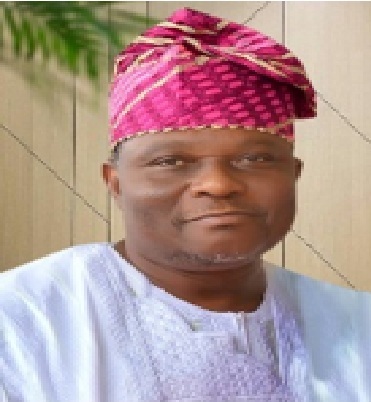
Emeritus Professor Adegoke Gbadegesin Falade, FAS
Department of Paediatrics, Faculty of Clinical Sciences, College of Medicine, University of Ibadan, Ibadan, Nigeria
Emeritus Professor Adegoke Gbadegesin Falade, MBBS (Ib), FMCPaed, FRCP (Edin), MD (Ib), FAS, is a Professor of Paediatrics and a distinguished paediatric pulmonologist whose career has been characterised by an enduring commitment to improving the survival and quality of life of children, particularly those affected by pneumonia, hypoxaemia, asthma and other respiratory disorders. He is internationally recognised for his contributions to paediatric respiratory medicine, clinical research, oxygen systems and the translation of evidence into health policy and practice in Nigeria and other low- and middle-income countries.
Emeritus Professor Falade was born on 25 April 1955 in Osogbo, Nigeria, although his family roots are in Iperindo, near the historic town of Ilesa in Osun State. He began his formal education at St Mary’s Primary School, Osogbo, proceeded to St Charles Grammar School for his secondary education and O-Level studies from 1967 to 1970, and subsequently attended Government College, Ibadan, where he completed his A-Level studies in November 1972. He distinguished himself academically, obtaining outstanding results in Physics, Chemistry and Biology. He was subsequently awarded a Federal Government Scholarship and entered the University of Ibadan in September 1973 through direct admission. He graduated in June 1978 with the degree of Bachelor of Medicine and Bachelor of Surgery (MB;BS).
Following his undergraduate training, Emeritus Professor Falade undertook specialist residency training in Paediatrics at the University College Hospital (UCH), Ibadan, from August 1982 to January 1989. During this period, he developed a particular interest in childhood nutrition and gastrointestinal disorders. Between February and October 1987, he undertook a nine-month, self-sponsored clinical attachment as an Honorary Registrar in Paediatric Gastroenterology and Nutrition at the Institute of Child Health, Francis Road, Birmingham, England. His training was made possible through financial assistance from his mother-in-law, brother-in-law and mother. Professor A. O. K. Johnson recommended him to Professor A. S. McNeish, who was then Director of the Institute of Child Health, for this valuable period of specialist training.
He obtained the Fellowship of the Nigerian Postgraduate Medical College (FMCPaed) in September 1988 and subsequently broadened his clinical and research experience through appointments outside Ibadan. From January to December 1989, he served as Lecturer and Consultant Paediatrician at Olabisi Onabanjo University, Ago-Iwoye, and Olabisi Onabanjo University Teaching Hospital, Sagamu. From January to June 1990, he was Consultant-in-Charge of Oni Memorial Children’s Hospital, Ibadan.
From July 1990 to December 1992, Emeritus Professor Falade worked as a Research Clinician at the Medical Research Council Laboratories in Fajara, The Gambia. This period proved pivotal in shaping his subsequent career as a clinical investigator. His research focused particularly on the relationship between childhood malnutrition and pneumonia and involved detailed investigation of the bacterial and viral causes of pneumonia in Gambian children. His work demonstrated the importance of Streptococcus pneumoniae and Haemophilus influenzae among children with pneumonia and contributed to a better understanding of pneumonia aetiology in severely malnourished children.
This body of work provided the foundation for his Doctor of Medicine (MD) thesis at the University of Ibadan, entitled Pneumonia in Malnourished Gambian Children, which he successfully defended on 29 October 1999. His MD research marked an important milestone in his development as a rigorous clinical researcher and established a pattern that has characterised his career: addressing important clinical problems through carefully conducted research and subsequently translating the findings into improved clinical practice.
In December 1992, Emeritus Professor Falade was appointed Lecturer in the Department of Paediatrics, College of Medicine, University of Ibadan, and Honorary Consultant Paediatrician at the University College Hospital, Ibadan. He progressed through the academic ranks and was appointed Professor of Paediatric Pulmonology in October 2001. He served as Head of the Department of Paediatrics from March 2006 to March 2009 and, for approximately a decade, chaired the UCH Morbidity and Mortality Review Committee. These responsibilities reflected his commitment not only to academic medicine and research but also to improving the quality and safety of clinical care.
Contributions to childhood pneumonia and infectious diseases
A major theme of Emeritus Professor Falade’s research has been childhood pneumonia, particularly in settings where diagnostic and therapeutic resources are limited. His early work in The Gambia challenged prevailing assumptions about the bacterial causes of pneumonia in severely malnourished children. By employing blood cultures and lung or pleural aspirate cultures, his research contributed to establishing the importance of organisms such as Streptococcus pneumoniae and Haemophilus influenzae in childhood pneumonia.
He subsequently contributed to research demonstrating the burden of invasive pneumococcal disease among children under five years of age in Ibadan. The study, conducted in three urban hospitals, provided important Nigerian evidence on pneumococcal disease and strengthened the evidence base for pneumococcal prevention and treatment in the country.
His research career has since expanded to encompass pneumonia epidemiology, hypoxaemia, oxygen therapy, asthma, neonatal conditions, infectious diseases and health-system strengthening. He was a member of the international PERCH Expert Group, which provided strategic scientific advice to the Pneumonia Etiology Research for Child Health (PERCH) project in Africa and Asia.
He also served as a principal investigator and senior collaborator in the INSPIRING programme, a major multi-partner initiative addressing childhood pneumonia through health-system and community-level interventions in Lagos and Jigawa States. The programme included a participatory whole-systems approach to improving child health and generated evidence on pneumonia care, health-system constraints and community-level interventions.
Asthma and paediatric respiratory health
Emeritus Professor Falade has made important contributions to understanding childhood asthma and allergic diseases in Nigeria. He was involved in the International Study of Asthma and Allergies in Childhood (ISAAC), one of the largest international epidemiological studies of childhood asthma and allergic disorders. The Ibadan studies generated some of the earliest systematic data on asthma symptoms among Nigerian schoolchildren and allowed changes in asthma prevalence and severity to be examined over time.
The Ibadan research subsequently contributed to the Global Asthma Network, which extended the surveillance work initiated by ISAAC. The repeated cross-sectional studies provided an unusual opportunity to examine long-term trends in asthma symptoms in Nigerian children using broadly comparable standardised methods.
Oxygen, hypoxaemia and health-system strengthening
Perhaps the most influential aspect of Emeritus Professor Falade’s recent research has been his work on oxygen therapy and the detection and management of hypoxaemia in children. He was a leading Nigerian investigator in the Oxygen Implementation Project, a major collaboration involving the University of Ibadan, University College Hospital, the University of Melbourne and partners in Nigeria and Papua New Guinea, with support from the Bill & Melinda Gates Foundation and other institutions.
The Nigeria Oxygen Implementation Project involved 12 secondary-level hospitals in south-west Nigeria and introduced a comprehensive approach to oxygen care, including routine pulse oximetry, improved oxygen systems, clinical training, technical support and systems strengthening. The stepped-wedge trial demonstrated substantial improvements in the identification of hypoxaemia and delivery of appropriate oxygen therapy. Importantly, the intervention was associated with a marked reduction in the risk of death among children admitted with pneumonia.
The findings helped establish pulse oximetry as an essential component of the assessment of acutely ill children and strengthened the case for reliable oxygen systems as a core component of hospital care. The work subsequently contributed to national and international discussions on oxygen access, quality of care and health-system strengthening.
Emeritus Professor Falade has continued to advance this agenda through the Oxygen for Life Initiative (OLI), of which he is the inaugural President. OLI seeks to sustain and extend the lessons of the oxygen implementation programme by supporting hospitals and health systems to provide reliable, appropriate and sustainable oxygen services.
More recently, he co-led the OxyMate trial, which evaluated automated oxygen control for preterm infants receiving continuous positive airway pressure in south-west Nigeria. The study provided important evidence on the potential of automated oxygen titration to improve the precision and safety of oxygen therapy for vulnerable newborns.
Research translation and influence on policy and practice
A defining feature of Emeritus Professor Falade’s career has been his ability to translate clinical research into policy, practice and health-system improvement. His work has contributed to national discussions and stakeholder processes leading to the development and revision of Nigerian oxygen policies, clinical guidelines and oxygen scale-up strategies. These efforts have promoted greater emphasis on routine pulse oximetry, appropriate oxygen prescription and the need to view oxygen not simply as a commodity but as an integrated health system requiring appropriate equipment, power supply, maintenance, clinical skills, monitoring and governance.
His contributions have extended beyond Nigeria. He has participated in international expert consultations and technical advisory processes involving organisations such as the Bill & Melinda Gates Foundation, WHO, UNICEF and other global health institutions. He was also a Commissioner of the Lancet Global Health Commission on Medical Oxygen Security, contributing to the global evidence and policy agenda on equitable access to medical oxygen.
Track record in translating research into policy and practice
a) Improved health and clinical outcomes (2016–2022)
Emeritus Professor Falade was a principal investigator and senior collaborator in research that demonstrated how improvements in pulse oximetry, oxygen availability, clinical practice and health-system support could improve the care of children with hypoxaemia and pneumonia in Nigerian hospitals. The Nigeria Oxygen Implementation Project generated evidence of substantial reductions in pneumonia mortality and provided an important foundation for subsequent oxygen scale-up efforts.
b) Development of national policies, guidelines and strategies (2016–2023)
He was part of the research and policy teams that synthesised evidence and participated in national stakeholder consultations contributing to the development and revision of Nigerian oxygen policies, clinical guidelines and oxygen scale-up strategies. His contribution helped promote a systems-based approach to oxygen access, with particular emphasis on pulse oximetry, reliable oxygen supply, appropriate clinical use, equipment maintenance and health-worker capacity.
c) National training and capacity building (2018–2023)
Emeritus Professor Falade has led and supported training of healthcare workers across Nigeria’s six geopolitical zones on the recognition and management of hypoxaemia, appropriate use of pulse oximetry and rational oxygen therapy. These activities have helped translate research evidence into practical skills for frontline health workers and have supported the wider national strategy for scaling up medical oxygen services.
Professional leadership and recognition
Emeritus Professor Falade has provided leadership at national, continental and international levels. He served as President of the Nigerian Society for Paediatric Infectious Diseases from 1999 to 2009 and was a member of the Board of the World Society for Paediatric Infectious Diseases during this period. He served as Vice-President of the African Society for Paediatric Infectious Diseases and has contributed to the development of professional networks concerned with paediatric infectious diseases and academic medicine. He is also a foundation member of the International Pediatric Academic Leaders’ Association.
His expertise has led to appointments and invitations to several international expert groups, including the PERCH Expert Group, Bill & Melinda Gates Foundation pneumonia consultations, UNICEF oxygen-related technical review activities and other global health advisory processes. His continuing participation in WHO and international oxygen policy discussions reflects the international relevance of his work.
In recognition of his sustained contributions to paediatrics, clinical research and science, Emeritus Professor Falade was elected a Fellow of the Nigerian Academy of Science (FAS) in 2025, in the discipline of Paediatrics/Pulmonology.. He is also a Fellow of the Nigerian Postgraduate Medical College (FMCPaed) and a Fellow of the Royal College of Physicians of Edinburgh (FRCP Edin).
Mentorship, scholarship and legacy
Emeritus Professor Falade is equally committed to teaching, mentorship and capacity building. Over the course of his academic career, he has supervised and mentored numerous postgraduate students and younger clinicians and researchers, many of whom have gone on to occupy leadership positions in paediatric clinical services, academia and research in Nigeria and elsewhere.
His scholarly contributions span several decades and include more than 140 peer-reviewed publications, covering childhood pneumonia, paediatric respiratory diseases, asthma, hypoxaemia, oxygen therapy, infectious diseases, neonatal care and health-system strengthening. His research has appeared in leading international journals and has contributed to both the scientific literature and the practical development of paediatric healthcare in resource-constrained settings. Current bibliographic databases record a substantially larger body of scholarly work, reflecting his continuing research activity.
Emeritus Professor Falade’s career is distinguished not simply by the volume of his research, but by its trajectory from clinical observation, to rigorous investigation, to implementation, policy development and capacity building. His work has helped bring greater recognition to the importance of pneumonia, hypoxaemia and oxygen access in childhood mortality and has contributed to the strengthening of paediatric respiratory care in Nigeria and across Africa.
His professional journey reflects a sustained commitment to ensuring that children, particularly those in resource-constrained settings, have access to timely, evidence-based and life-saving care.
Beyond his professional and academic commitments, Emeritus Professor Falade is devoted to his wife, Adejoke Elizabeth, and their four children. His family has been an important source of support throughout a career spanning more than four decades.
Emeritus Professor Adegoke Gbadegesin Falade’s enduring contribution lies in demonstrating that high-quality clinical research, when deliberately connected to policy, practice, training and health-system strengthening, can produce measurable improvements in child health.