
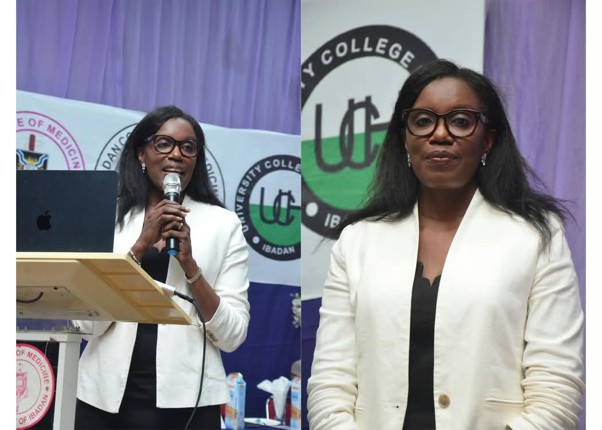
The Ibadan College of Medicine Alumni Association Worldwide (ICOMAA-WW) has highlighted the global implications of viral diseases and the importance of scientific discovery in addressing emerging and evolving health challenges during its 2026 Distinguished Alumni Lecture. Held on Thursday, 19 November, at the College of Medicine, University of Ibadan (CoMUI), the lecture, titled "Viruses Don't Wait: From Discovery to Global Impact", was delivered by Dr. Anu Osinusi, Vice President, Clinical Development, Virology, Gilead Sciences, California, USA.
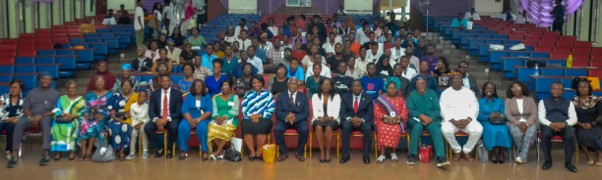
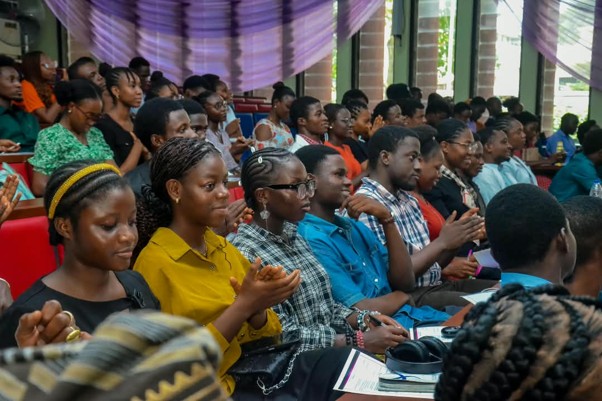
The hybrid event, held at the Paul Hendrickse Lecture Theatre, was chaired by Professor Wuraola Shokunbi and attracted a distinguished gathering of university and hospital officials. Among those in attendance were the 14th Vice-Chancellor of the University of Ibadan, Professor P. O. Olapegba, represented by Professor J.T. Arotiba; the Provost, College of Medicine, University of Ibadan, Professor T.O. Ogundiran; and the President, Ibadan College of Medicine Alumni Association Worldwide (ICOMAA-WW), Emeritus Professor S.I. Omokhodion and members of the Association's teams. Also present were the College's living legends, former provosts and deputy provosts, members of the academic and non-teaching staff, students and members of the press.
In her presentation, Dr. Anu Osinusi disclosed that Gilead Sciences has signed royalty-free voluntary licensing agreements with generic drug manufacturers in 127 countries, including Nigeria, to facilitate potential access to its investigational Ebola drug, obeldesivir. She also revealed ongoing efforts to expand access to innovative antiviral treatments, strengthen global preparedness for emerging viral diseases and advance scientific research to address future health threats.
Speaking on the theme of the lecture, "Viruses Don't Wait: From Discovery to Global Impact", Osinusi said technology-transfer discussions were already underway alongside ongoing clinical trials. She explained that the agreements were intended to facilitate future access to the drug, subject to successful clinical trial outcomes and regulatory approvals. Obeldesivir is being investigated as an oral post-exposure preventive treatment for Ebola, particularly among healthcare workers, household contacts and other high-risk individuals.
Osinusi disclosed that two complementary research initiatives were activated during Ebola outbreak in the Democratic Republic of Congo. These comprised a World Health Organisation (WHO)-supported platform evaluating treatments for confirmed patients and the EVO-PEP study investigating obeldesivir as post-exposure prophylaxis for exposed contacts who had not developed the disease
She also spoke about ongoing research into combination therapies for advanced filovirus infections, pointing out that non-human primate studies demonstrated improved survival with combined antiviral and antibody treatments. She however, emphasised that clinical trials were necessary to establish their effectiveness in humans. The infectious disease expert urged African countries to prioritise research and outbreak preparedness, stressing that scientific capacity must be developed before emergencies arise. “Outbreak is not the time you’re going to start doing science. It’s the science that has been done that is going to activate during an outbreak,” she said.
Drawing lessons from advances in HIV prevention, hepatitis treatment and the COVID-19 response, Osinusi highlighted how sustained research, strategic partnerships and community participation could translate scientific discoveries into significant public health gains. She called for stronger collaboration among universities, governments, industries, public health institutions and communities, pointing out that such partnerships is essential to translating scientific innovations into life-saving medicines.
In his remarks, the Vice Chancellor of the University of Ibadan, Professor P.O. Olapegba reaffirmed the University's commitment to strengthening its partnership with Ibadan College of Medicine Alumni Association Worldwide to advance academic excellence and institutional development.
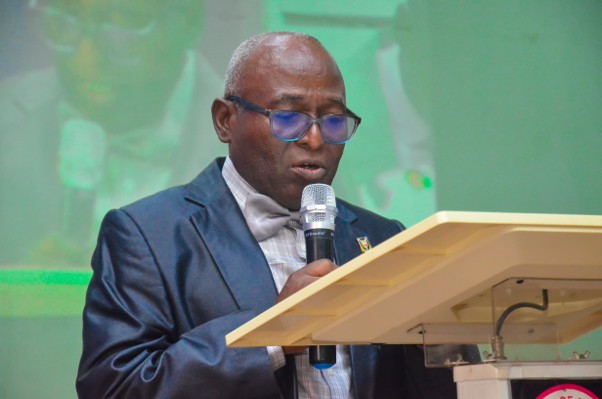
Represented by the Deputy Vice Chancellor (Academic), Professor J.T. Arotiba, Professor Olapegba commended the Association for its sustained commitment, describing it as one of UI's most active, organised and generous alumni bodies.
He acknowledged the Association's contributions to improving teaching and learning, providing scholarships and student support, supplying equipment, upgrading facilities, and promoting mentorship and career guidance for young doctors. He noted that these interventions had made tangible differences in the academic and clinical experiences of students. He stressed the urgency of scientific research and timely responses to emerging health challenges, noting that the University's alumni have continued to make significant contributions to research, outbreak response and global health leadership.
Olapegba reaffirmed UI's readiness to sustain the partnership, listen to alumni feedback and work with them to make the College of Medicine the best in Nigeria, Africa and the world. He urged alumni at home and in the diaspora to remain actively involved in the College's development through mentorship, project support and sharing of ideas. He also appreciated ICOMAA-WW for organising the Homecoming Week, the Ibadan Medical Specialists Group-UK (IMSG-UK) for its symposium and the distinguished guest lecturer for gracing the occasion with her presence.
In his address, the Provost, College of Medicine, University of Ibadan, Professor T. O. Ogundiran, called for stronger collaboration between the College and its alumni to advance research, specialist training, mentorship and global academic engagement. He described the annual event as an important platform for strengthening the enduring relationship between the College and its alumni, while acknowledging the contributions of ICOMAA Worldwide,
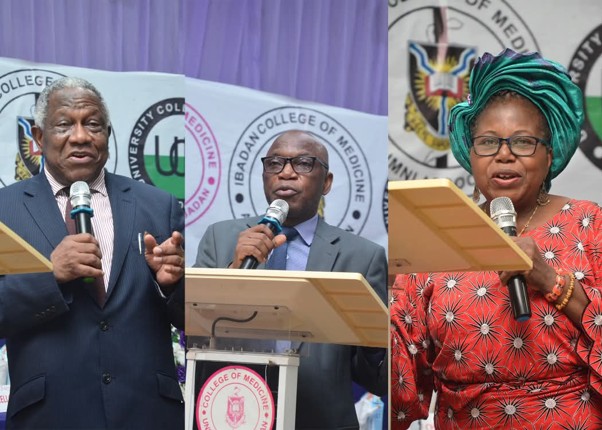
IMSG-UK, corporate partners and individual benefactors to the College's infrastructure, academic facilities, research support and student welfare.
Professor Ogundiran particularly commended the alumni for their sponsorships, scholarships, mentorship and other interventions, including the Global Sponsor-A-Student Programme, describing their contributions as investments in the future of medical education and healthcare. Speaking on the lecture theme, “Viruses Don't Wait: From Discovery to Global Impact,” he, too, emphasised the need for Africa to strengthen its scientific research capacity and response to emerging health threats. He urged the alumni to leverage their professional expertise, international experience and networks to support the College's development, arguing that the continued commitment of its graduates would help secure a stronger institution for future generations.
The Chairman of the 2026 Alumni Day and Distinguished Lecture, Professor Wuraola Shokunbi, urged medical researchers to ensure that scientific discoveries translate into improved healthcare delivery and good quality of life, particularly in Africa. Drawing on her professional experience, Shokunbi emphasised the need for doctors across medical specialities to remain knowledgeable about viral diseases, particularly blood-borne infections such as HIV and hepatitis B. “Whatever research we conduct, it must have a meaningful effect on the lives of our people,” she said.
Similarly, President of ICOMAA WW, Professor Samuel Omokhodion, called for stronger scientific research and more resilient health systems to prepare Nigeria for future pandemics. He urged countries to anticipate emerging health threats rather than wait for outbreaks before taking action. He also appealed to ICOMAA-WW and other stakeholders to support the association's development initiatives, noting that collective contributions were essential to sustaining its progress.
Emeritus Professor Omokhodion expressed appreciation to all alumni, both at home and in the diaspora, for their selfless contributions to the growth and advancement of the College of Medicine, University of Ibadan, urging them to sustain the gesture. In recognition of their outstanding contributions, the 2026 ICOMAA-Worldwide President's Award was presented to the MBBS/BDS Class of 1988, adjudged the highest-spending class of the year. The award was received by Professor IkeOluwapo Lagunju on behalf of the class.
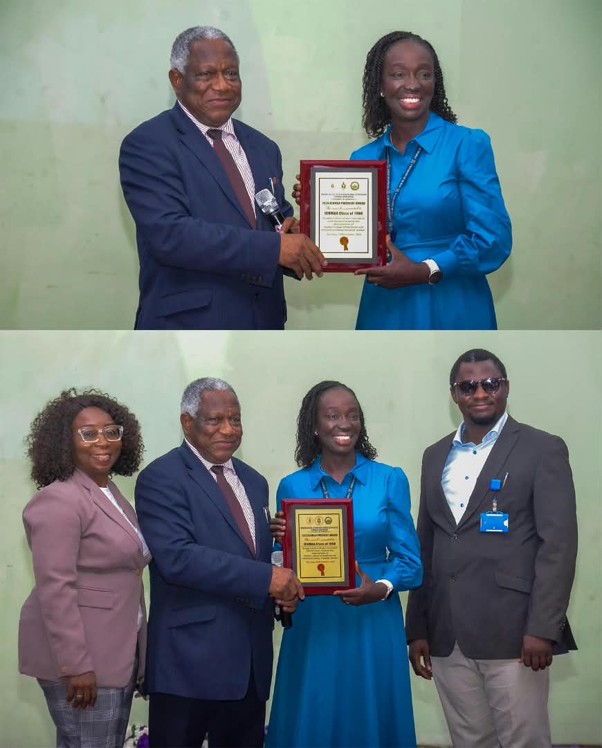
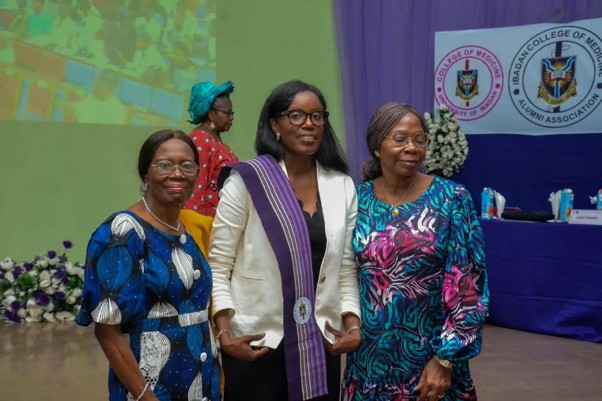
In recognition of her brilliant and thought-provoking lecture, the President of ICOMAA Worldwide, Emeritus Professor S.I. Omokhodion, presented a plaque of honour to Dr. Anu Osinusi, who was also decorated by the chairman of the event who was her former teacher, Professor Wuraola Shokunbi.
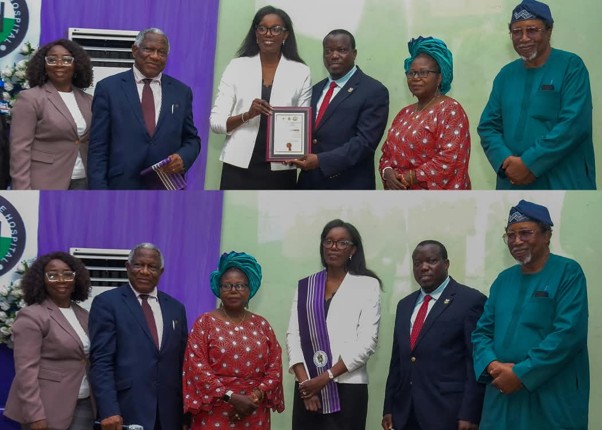
The event also featured the reading of the guest lecturer's citation by Dr. Omobolaji Iyun, while the award presentation and decoration of Professor Wuraola Shokunbi were coordinated by Professor Folashade Omokhodion. The ceremony was compered by Dr. G. Obajinmi, Dr. S. T. Shittu and Dr. Omobolaji Iyun.